Choose the Cabin Style You Like
Send us a cabin, lodge or reference photo you like. We will first understand the exterior style and space you want for your project.
Buyer decision guide · Packing · Loading · Export preparation
Shipping starts with the cabin design, not with the freight rate. First confirm the preferred style, size, floor plan and interior configuration—because those choices determine the final transport dimensions and shipping method.
No fixed freight price, loading quantity or shipping period applies to every cabin. The method is confirmed against the actual order.
Direct answer
First decide what cabin you actually want. The exterior style, dimensions, floor plan, interior configuration and assembly format determine the final transport dimensions.
Only after those items are defined can the supplier check whether standard-container shipping is practical or whether project-specific special transport is required.
Buyer shipping decision flow
The sequence below follows the information needed to move from a buyer's reference image to a practical packing and delivery direction.
Send us a cabin, lodge or reference photo you like. We will first understand the exterior style and space you want for your project.
We will work with you to confirm the approximate length, width, height and the required bedrooms, bathrooms, kitchen and living spaces.
Initial dimensions can be used for planning and shipping estimates. Final transport dimensions are confirmed after the design and production details are finalized.
Choose the interior finishes and equipment you need, such as furniture, kitchen, bathroom fixtures, water heater, air conditioning and other optional items.
Most projects use high-completion modular units that are largely finished in the factory before shipping.
For some products or routes, factory-prefabricated components can also be shipped for final assembly on site.
A current freight estimate can be checked once the approximate cabin, quantity and destination are known.
The final shipping plan and cost are confirmed after the design, configuration and transport dimensions are finalized.
Based on the confirmed cargo dimensions, quantity and destination, we will check the suitable sea freight route and transport method for your shipment.
Before shipment, confirm customs clearance, inland transport, road access, unloading space and whether a forklift, crane or other local equipment may be required.
After the shipment arrives, the cabin is positioned, connected or assembled according to the agreed supply method.
High-completion modular units mainly require positioning and connection, while factory-prefabricated units require additional on-site assembly.
Comparison
When a product can be reasonably modularized and packed into a standard container, the route usually offers better logistics economy. Larger, irregular or more factory-completed modules may require special handling and usually carry higher logistics cost.
| Decision point | Standard closed-container shipping | Project-specific special transport |
|---|---|---|
| When considered | When the confirmed modular format, packed dimensions and safe loading plan fit the selected closed container. | When size, shape, factory-completion level, weight, lifting or route requirements cannot be handled through the selected closed container. |
| Commercial effect | Usually offers better loading efficiency and logistics economy when the configuration is genuinely container compatible. | Usually carries higher logistics cost because equipment, handling and route planning are project specific. |
| Information to prepare | Packing drawing, final packed dimensions, cargo layout and loading access. | Final dimensions and weight, lifting plan, route check and carrier/equipment confirmation. |
| Buyer responsibility | Confirm port, customs, destination access, unloading and local delivery boundary. | Confirm the same items plus destination equipment, permits and special route constraints where applicable. |
| Important limit | The number of cabins per container must be calculated for the actual product. | A fully assembled cabin does not automatically require a flat rack, crane or other special equipment. |
Flat rack, open-top, crane and other special arrangements may be considered when required by the actual cabin and route. Your quotation and logistics plan will state the applicable method.
Sea freight planning reference · August 2026
For planning purposes, many standard 40HQ sea-freight routes from China are currently around USD 5,000–7,000 per container.
Large or irregular modules requiring project-specific special transport may be around USD 10,000 or more.
These are August 2026 planning references only, not quotations.
Actual freight depends on:
Packing and loading process
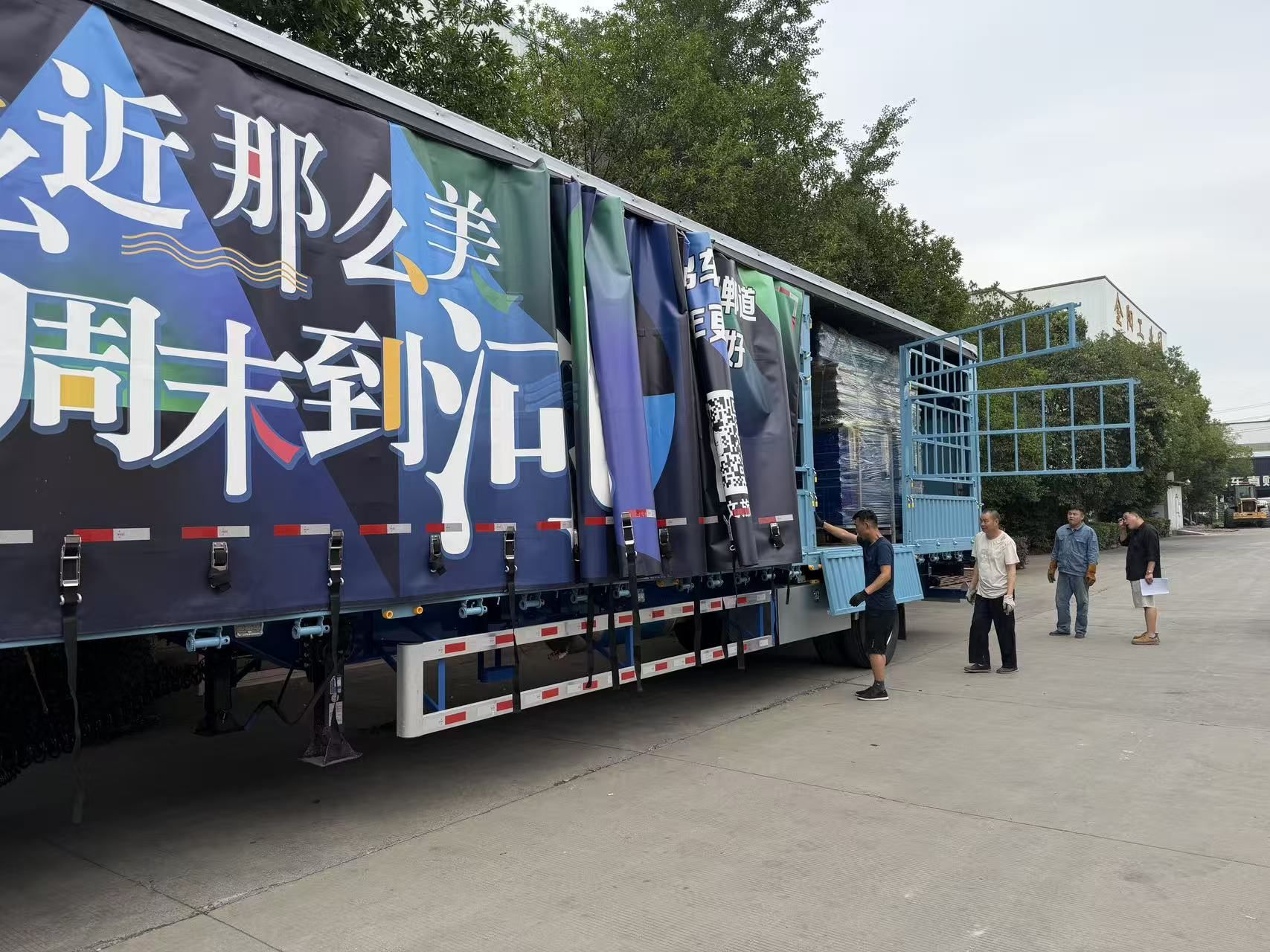
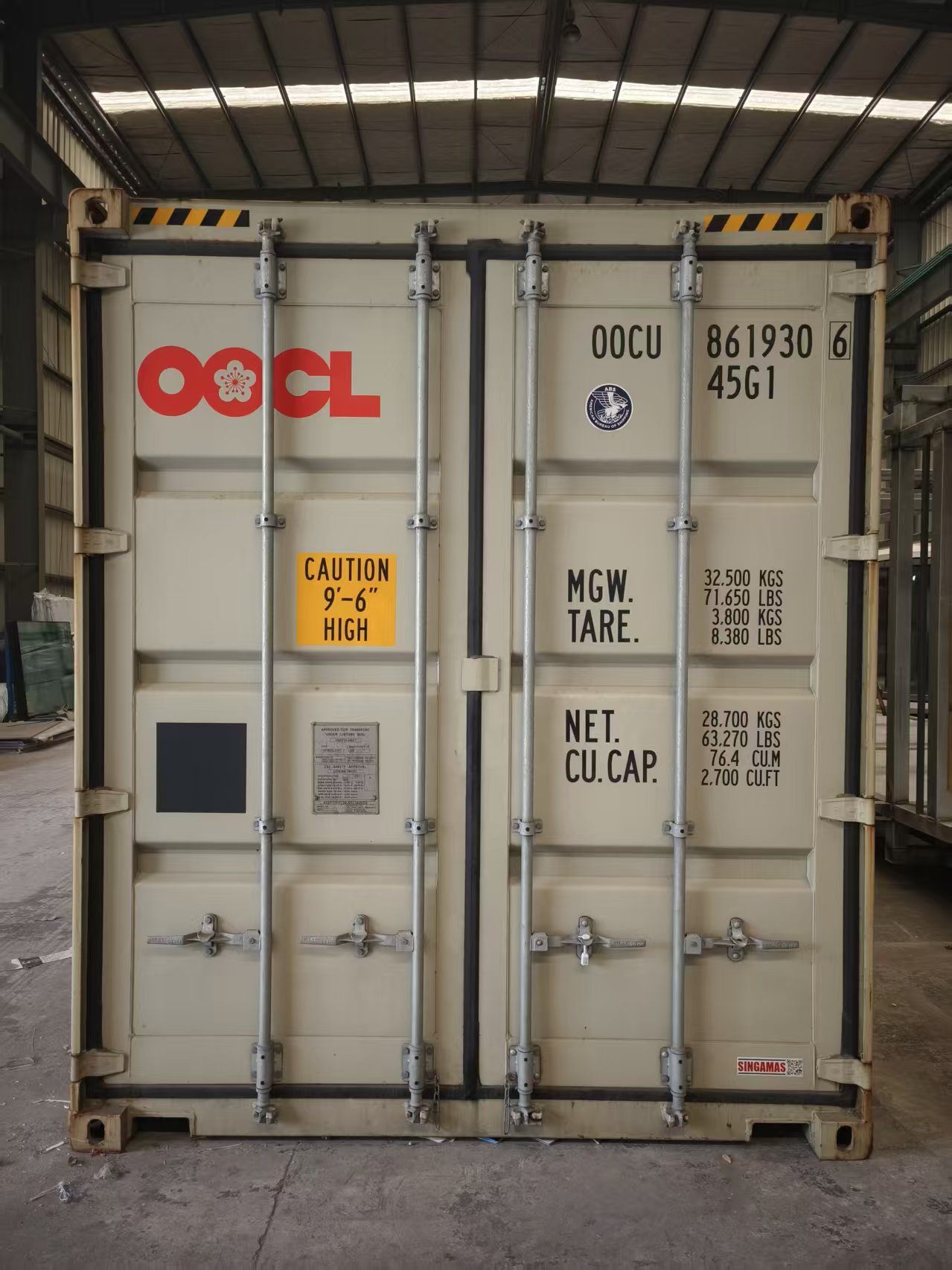
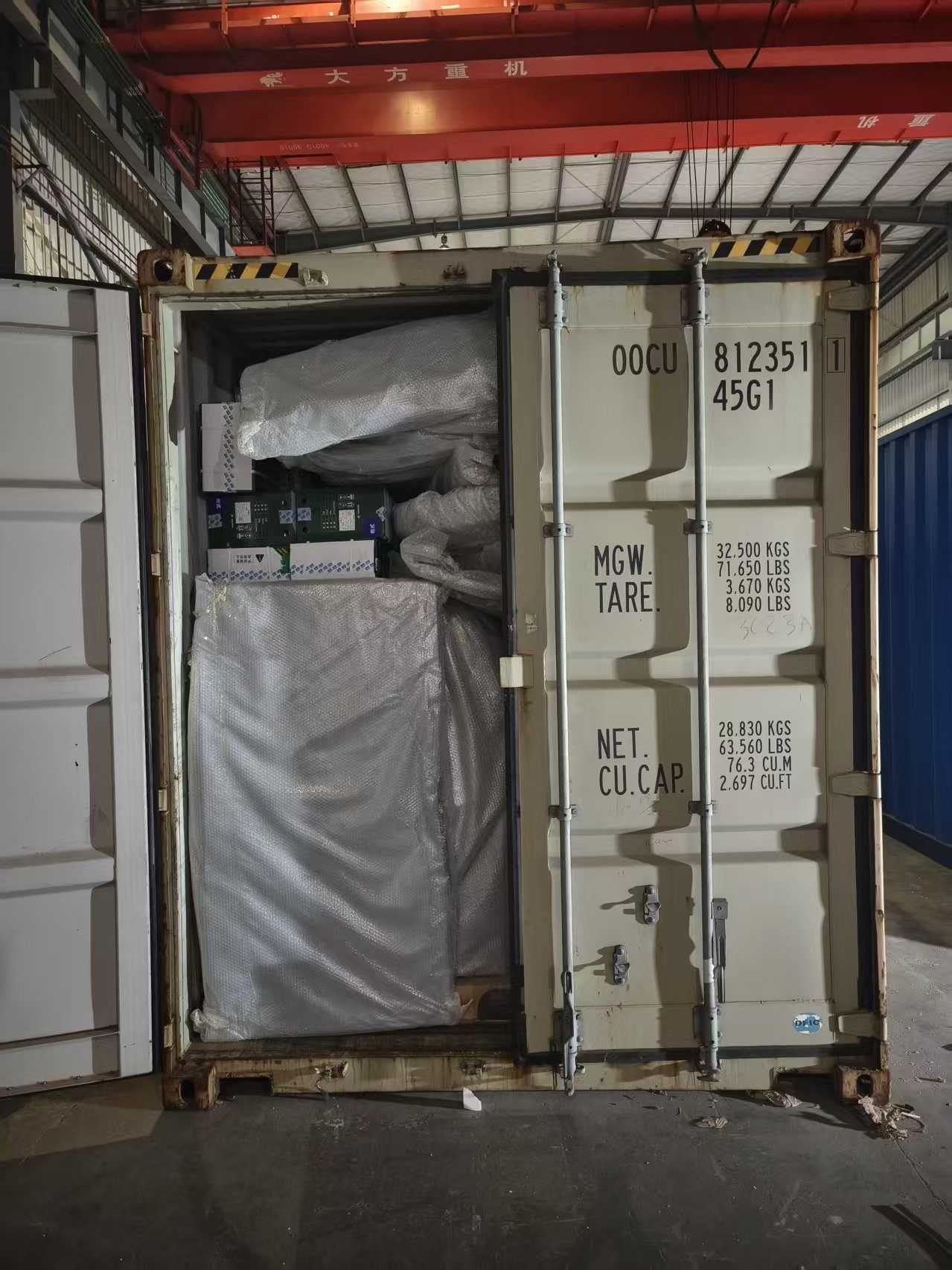
These factory images show common preparation and handling stages. The packing, loading method and equipment for your cabin will be planned from its actual dimensions, configuration and route.
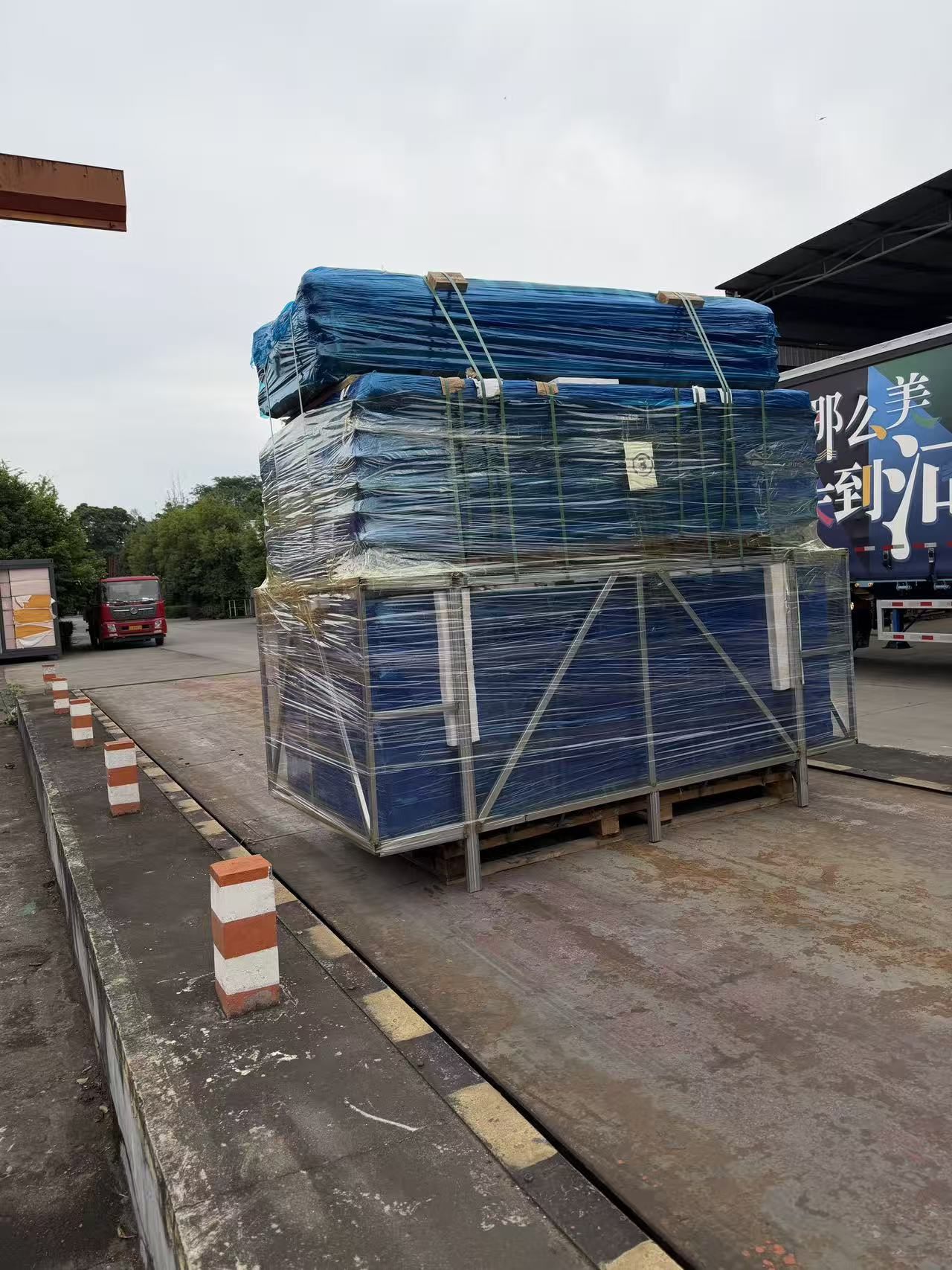
01 / Packing
Visible protection can include wrapping, corner protection, support frames and separation between components. The final packing plan is confirmed for the actual order.
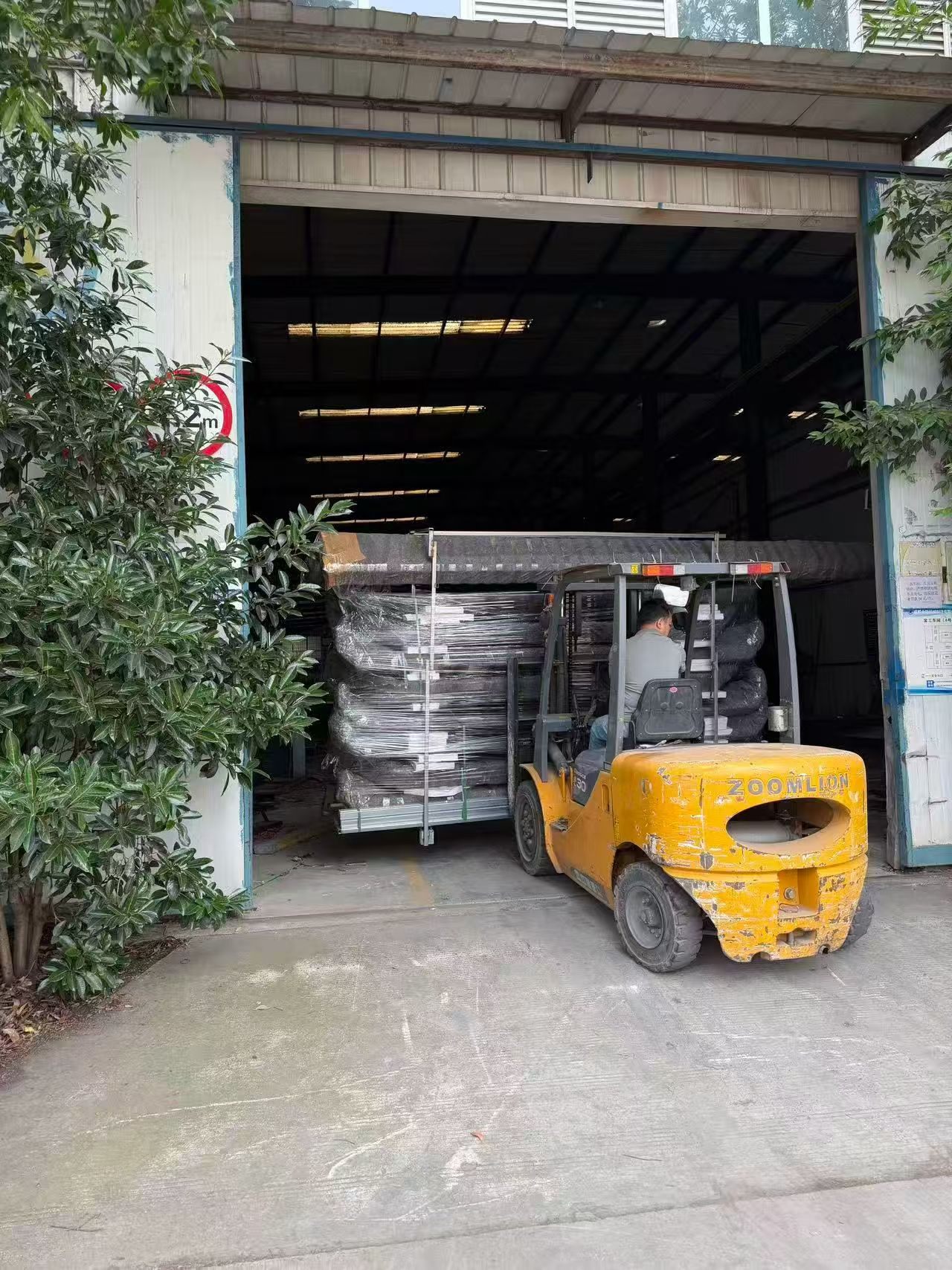
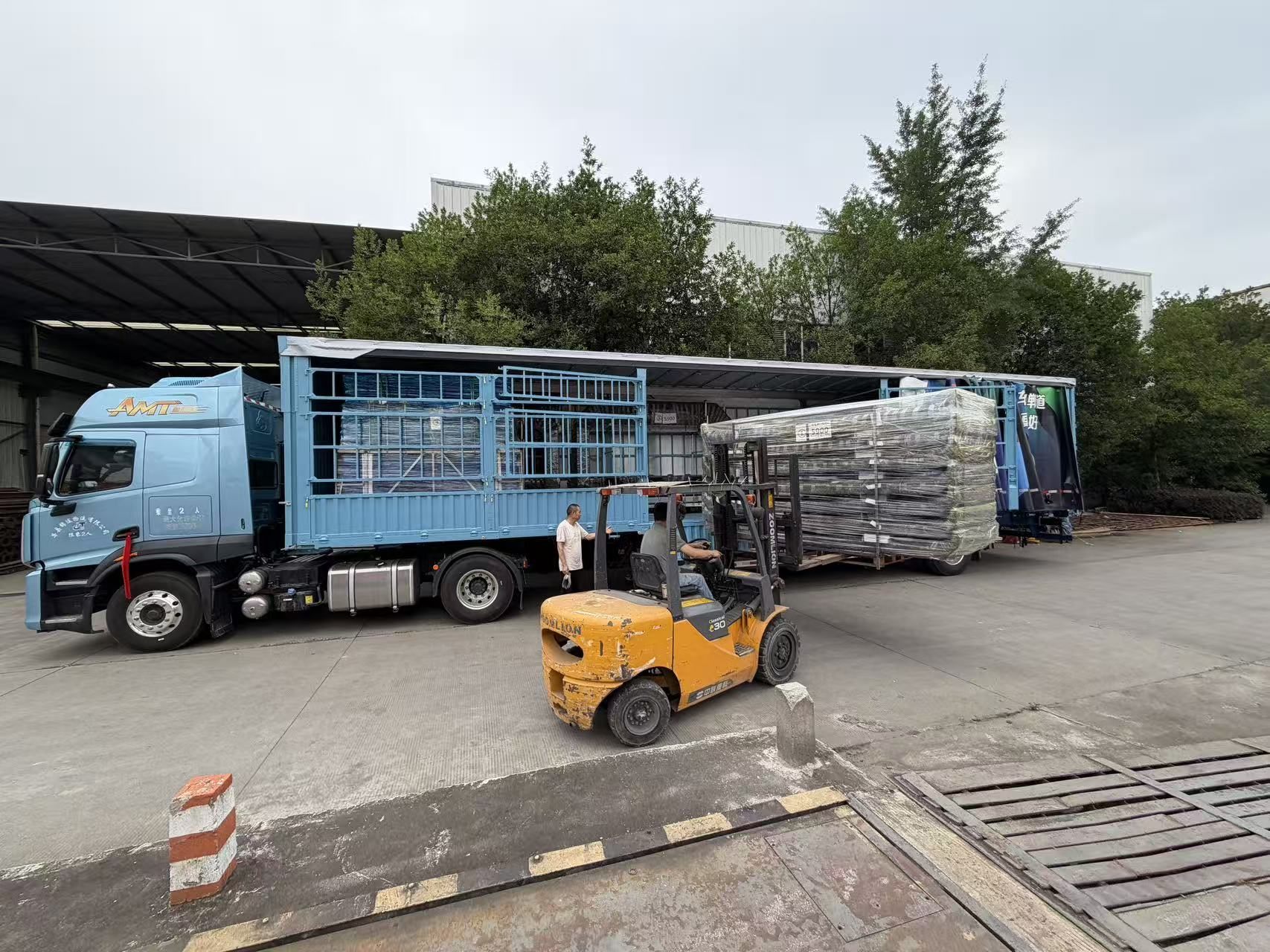
02 / Container preparation
The images document a closed-container preparation sequence: container identification, interior access and protected cargo placement. They do not establish a universal cabin capacity.
Compare EXW, FOB and CIF responsibilities →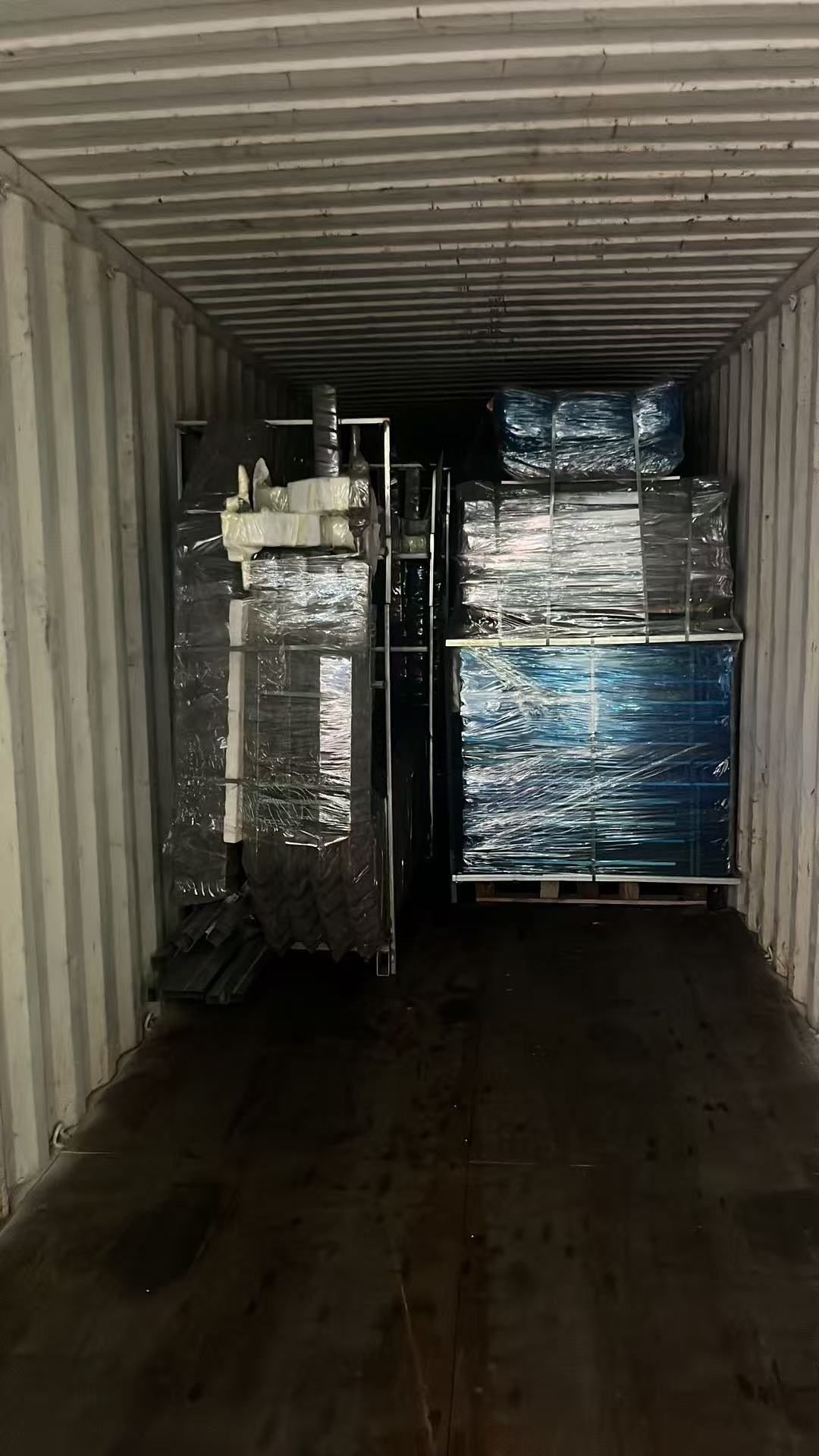
Maldives logistics reference
These Maldives logistics references show how factory-prepared modular units move from delivery to on-site positioning and assembly.
The exact shipping and installation method for your cabin will depend on its dimensions, supply form, destination route, site access and unloading conditions.

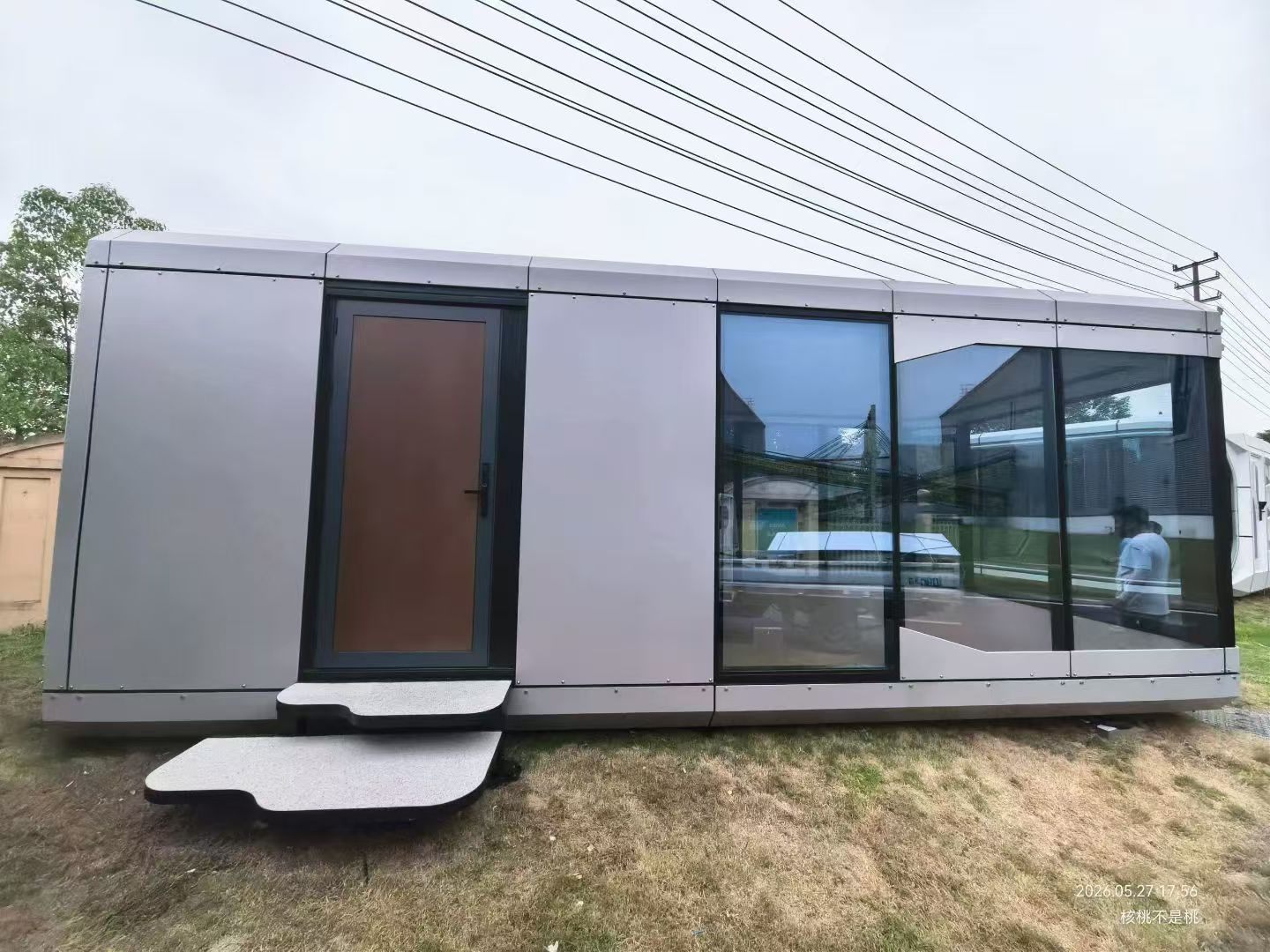
Shipping does not end at the destination port. Local transport, unloading, positioning and final assembly must also be planned before delivery.
For your project, we will check these steps based on the actual cabin, route and site conditions.
One-unit Shipping Checklist
A freight figure is only useful when the product, route and responsibility boundary are clear.
The preferred exterior, major features and reference image identify what the buyer wants.
Approximate dimensions, bedrooms, bathrooms, kitchen and living requirements are recorded.
Furniture, appliances and optional systems are separated in the quotation or equipment list.
The modular or factory-completed delivery format is confirmed for the actual product and project.
Final dimensions, weight, protection, loading plan and container compatibility are recorded.
Trade term, customs, inland transport, unloading, lifting and installation responsibilities are clear.
B2B resort and camp logistics
Shipping multiple cabins for a resort or camp requires more planning than shipping a single unit. A resort shipping plan should be calculated from the actual unit mix, dimensions, quantity, route and site conditions.
Different cabin types and dimensions need to be confirmed separately before one project loading plan is prepared.
The overall quantity changes how packing, loading efficiency and transport methods should be planned.
Delivery may be divided into phases to match site construction, local handling and installation progress.
Road width, turns, height restrictions and unloading space between the destination port and the camp site must be checked.
Multiple units require a sequence for vehicles, lifting, temporary storage, site movement and installation.
Modular supply requires suitable local conditions, equipment and people for the confirmed installation scope.
Different products may use different transport formats. The final method follows real dimensions and project conditions.
Shipping More Than One Cabin?
Send the unit mix, approximate quantity, destination and site access information for a project-level logistics review.
Frequently asked questions
Start with the preferred cabin style or reference image, approximate size, floor plan, interior requirements, optional equipment and preferred supply or assembly format. Those choices determine the final packed dimensions and loading plan used to check shipping.
It can only be confirmed after the cabin's packed transport dimensions, packing method and safe loading plan are checked. Cabin size alone does not establish whether it fits, and this page does not publish a fixed 40HQ loading quantity.
No. Fully assembled does not automatically mean flat rack. The transport method depends on the final transport dimensions, weight, lifting points, route and carrier requirements. Special equipment is selected only after a project-specific logistics review.
Provide the preferred style or reference photo, approximate size, layout requirements, optional equipment, supply preference, quantity, destination country and destination port. Sunhomee can identify what still needs confirmation before preparing the shipping direction.
No. Send the cabin style, size, layout, quantity and destination first. Sunhomee can review the likely supply format, packed dimensions, container compatibility and destination handling requirements. Final equipment and responsibilities are confirmed in the written quotation and logistics plan.
The cost depends on packed dimensions, quantity, transport method, destination port, route, special handling requirements and current carrier rates. See the August 2026 planning reference above, or send your cabin details for a current freight check.
There is no fixed shipping period for every project. Factory readiness, packing, vessel schedules, customs, inland delivery and site handling all affect timing. The applicable schedule is confirmed against the actual route and order.
Project-specific shipping check
Not sure which shipping method you need? Send us the cabin style or reference image first. Sunhomee will review the product configuration before checking the loading and shipping direction.
This request does not create a fixed freight price, loading quantity, delivery period or equipment commitment.